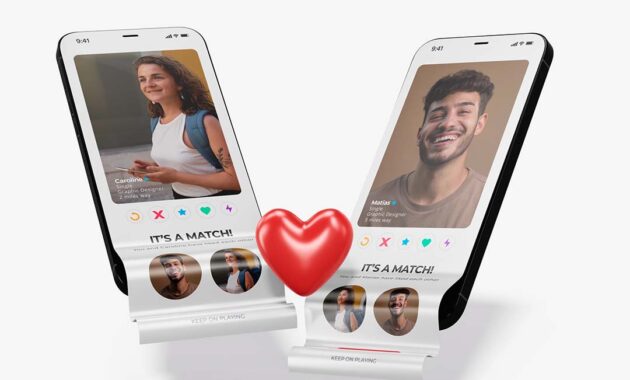
The quest for love in the digital age often begins with a single swipe or a carefully crafted message. But with a plethora of options available, choosing the right platform can be overwhelming. In 2026, the debate still comes down to two heavyweight champions: Match and Tinder. While both are owned by the same parent company (Match Group), they cater to截然不同 audiences and dating philosophies .
If your goal is to find a lasting relationship, picking the wrong app can feel like bringing a knife to a gunfight. One is built for depth and long-term investment, while the other is engineered for volume and immediacy. According to recent data from SSRS, Tinder remains the most-used dating app in the U.S. (48% of users have tried it), but Match holds strong with an older demographic actively seeking commitment .
So, which one will help you find love? Let’s dive into the ultimate 2026 showdown.
The Core Philosophy: Commitment vs. Casual
Before comparing features, you must understand the “vibe” of each platform. This isn’t just about branding; it’s about user behavior and intent.
Match is designed to get you out of the dating pool. It is built for long-term relationships. The entire user experience, from the detailed sign-up process to the search algorithms, is geared toward helping you find a compatible partner. It attracts a demographic that is typically older, more settled, and willing to pay for a premium service to avoid time-wasters . PCMag notes that Match’s focus on substance gives it a slight edge for those looking to settle down .
Tinder, on the other hand, revolutionized dating with its “hot or not” swiping mechanism. It is the king of casual dating and hookups. The interface encourages snap judgments based on photos, and the massive user base is largely looking for fun, validation, or short-term flings. While exceptions exist (some people do meet their spouse on Tinder), the culture is undeniably more focused on immediacy .
Winner: Match (for serious relationships)
Match vs. Tinder: 2026 Feature Face-Off
To give you a clear picture, here is a head-to-head comparison of the two apps based on the latest data.
| Feature | Match.com | Tinder |
|---|---|---|
| Best For | Long-term relationships, marriage | Casual dating, hookups, meeting new people |
| Primary User Base | Skews older (30s, 40s, and 50s) | Skews younger (Gen Z, 18-29) |
| Sign-Up Process | Detailed profiles, extensive personal info, photo approval required | Quick and easy; basic info and photos; can link to Instagram/Spotify |
| Free Version | Limited: Can browse and like profiles, but full communication requires payment | Functional: Can swipe and message mutual matches. Limited daily likes |
| Starting Price | ~$44.99 per month (cheaper with longer commitment) | ~$24.99 per month for Plus (unlimited likes, rewinds) |
| Unique Features | Vibe Check (video chat), Match Events (in-person mixers) | Face to Face (video chat), AI-powered “Chemistry” recommendations (testing), Tinder Select (invite-only $499/mo tier) |
| Safety Tools | Profile vetting, video chat, blocking tools | Photo verification, location sharing with friends, blocking tools |
1. User Demographics: Where Do You Fit In?
Demographics play a crucial role in your dating success. You want to fish where the fish are hungry for what you’re offering.
Tinder dominates the youth market. Among 18–29-year-olds who have used dating apps, a staggering 74% have used Tinder . It is the default setting for young adults, college students, and recent graduates. The atmosphere is energetic but fleeting. A recent trend among Gen Z on Tinder is “clear-coding,” where 64% of young singles demand emotional honesty and clear communication about intentions right from the start . However, the app still struggles with “swipe fatigue” and fake accounts .
Match is the go-to for the 30+ demographic. Among users aged 50 or over, 33% have used Match, tying it for second place in that age bracket . These users are often divorced, have children, or are simply tired of games. They are “prepared to invest in building a connection,” which makes conversations more meaningful and dates more likely to happen .
2. The Cost of Love: Pricing Tiers in 2026
Money isn’t just about access; it’s a filter. Paying for a service often correlates with higher intent.
Tinder operates on a freemium model that feels like a “freemium game” with microtransactions . The free version is very usable, but it limits your daily swipes. To unlock unlimited likes, “Rewind” (to undo a left swipe), and see who already liked you, you need to pay.
- Tinder Plus: ~$24.99/month
- Tinder Gold: ~$39.99/month (See who liked you)
- Tinder Platinum: ~$49.99/month (Message before matching)
- Tinder Select: $499.99/month (An ultra-exclusive tier for “highly sought-after” profiles) .
Match is primarily a premium service. The free version is a teaser; to actually communicate with your matches, you generally need a subscription. This high barrier to entry ($44.99/month) weeds out casual browsers and those not serious about dating .
Winner: Tinder (for value/cost), Match (for investment/commitment filtering).
3. The Search for Love: Can AI Help?
2026 is the year AI transforms dating. Both apps are leveraging technology to cure “swipe fatigue,” but in different ways.
Tinder is actively testing a new AI feature called “Chemistry” in Australia. This AI acts like a “matchmaker,” accessing users’ photo libraries (with permission) and analyzing their personalities through questions to serve them just “one or two precise recommendations” per day. This marks a massive shift away from infinite scrolling for its users . This move is a direct response to user churn; Tinder’s active users dropped 9% in late 2025, as the endless swiping model began to wear thin .
Match has long used algorithms based on detailed profile data. While it hasn’t rolled out a flashy new “AI from your camera roll” feature, it focuses on curated “Matches” based on your stated preferences and behavior. Match Group is heavily investing in AI-driven safety and authenticity (like facial verification) to make users feel more secure, which is vital for those seeking something real .
How to Choose the Right App for a Relationship (A Step-by-Step Guide)
If you’re reading this, you likely want a strategy, not just a review. Here is a step-by-step guide to deciding between Match and Tinder in 2026.
Step 1: Assess Your Intentions Honestly
Are you looking for a wife/husband, or are you looking for a date for this weekend? If you want marriage, Match is statistically your better bet. If you’re unsure and want to explore, Tinder offers a larger volume to sample.
Step 2: Audit Your Age and Lifestyle
If you are under 25, you must be on Tinder (and Hinge) because that’s where your peers are. If you are over 30 and feel “too old” for the club scene, join Match. The platform is designed to help you find someone to build a life with, not just to grab a drink .
Step 3: Evaluate Your Budget
Decide if you want to pay for a premium experience upfront (Match) or test the waters for free with the option to pay for boosts later (Tinder). Remember that Match’s subscription price acts as a “commitment filter”—users on Match are less likely to ghost you because they’re paying for the service .
Step 4: Optimize Your Profile for “Clear-Coding”
Regardless of the app, use the 2026 trend of “clear-coding” to your advantage .
- On Tinder: State in your bio that you’re “looking for something real” or want to “actually meet up.” This helps filter out the truly casual.
- On Match: Be specific about your “non-negotiables” and family values, as this is the #1 priority for users (51% cite this as very important) .
Step 5: Move to Video Quickly
Both apps offer video chat (Vibe Check on Match, Face to Face on Tinder) . Use this to verify chemistry before giving out your number. It saves time and is a key safety step.
The Verdict: Which One Will Help You Find Love?
The data is clear: If your primary goal is to find a long-term, committed relationship, Match is the superior choice. Its user base, feature set, and paid model are all aligned with that goal. The emphasis on detailed profiles and safety features like profile vetting provides the “peace of mind” necessary to build trust with a stranger .
However, Tinder cannot be counted out entirely. With 50% of online daters reporting they have been in a committed relationship with someone they met online, many of those stories still start on Tinder . The sheer volume of users means the law of averages is on your side. Furthermore, Tinder’s new AI push to deliver “quality matches” suggests the app recognizes its reputation problem and is trying to pivot toward more meaningful connections .
- Choose Match if: You are ready to settle down, you value depth over volume, and you are willing to pay for a service that filters for serious people.
- Choose Tinder if: You want to date casually, you enjoy meeting a high volume of people, and you prefer a gamified interface. Just be prepared to actively swipe through a lot of profiles to find that hidden gem looking for love.
Ultimately, love is a product of timing, effort, and a little bit of luck. In 2026, you have two distinct tools to help you along the way. Choose the one that fits your strategy.
Frequently Asked Questions (FAQs)
1. Is Tinder only for hookups?
No, but it is best known for casual dating. While 37% of U.S. adults believe relationships that start online are just as successful as those that start offline, Tinder’s user base is the most casual-oriented among the major apps . You can find love there, but you have to work harder to filter for serious intentions .
2. Is Match worth the money?
For someone seeking a serious relationship, yes. The subscription cost acts as a barrier to entry, ensuring that the people you talk to are generally more invested in the process. It also funds safety features like profile verification .
3. Which app has more users?
Tinder has a larger overall user base, especially in the 18-29 demographic. Match has a smaller but more mature and committed user pool .
4. Can I use AI to help me date on these apps?
Yes, 2026 is the year of AI dating. 76% of young singles said they’d use AI in their dating journey, mostly for suggesting date ideas and optimizing bios. Tinder is even testing an internal AI (“Chemistry”) that chooses matches for you .
5. How do I stay safe while using these apps?
Both apps offer built-in safety features. Use the video chat function before meeting in person. Never share financial information, and always meet the first time in a public place. Women, in particular, report higher safety concerns, so utilizing the location-sharing and verification tools is critical .
